

The price of a call
Consider these points when using this feature. Pot odds compare the chips required to call with the pot you can win after calling. If the displayed pot is P and the call costs C, the simple break-even equity is C divided by P plus C. This basic calculation assumes that calling closes the action and no later bets change the result. Keeping the full context in mind helps avoid misunderstandings.
A simple numerical example
This overview brings the relevant details together. Suppose the pot contains 100 chips after an opponent's bet and you must call 25. Calling creates a pot of 125, so the simple threshold is 25 divided by 125, or 20 percent. That percentage is a required winning share under the assumptions, not a prediction of your actual hand strength. If a question remains, the FAQ form provides a way to contact the operator.
Equity versus pot odds — details
For this topic, keep the following in mind. Equity is your expected share of a pot across possible outcomes against the hands your opponents might hold. Pot odds describe the price being offered. Comparing them is useful only when your equity estimate and the assumptions about later action are reasonable. The surrounding sections explain the related topics in more detail.
Counting clean outs — details
For this topic, keep the following in mind. An out is an unseen card that improves your hand to a result you expect to win. Some apparent outs can also give an opponent a better hand, making them unreliable. Count those possibilities before treating every card of a suit or every straight-completing rank as equally helpful. These details provide context for the choices described here.
One-card draw probabilities — details
For this topic, keep the following in mind. On the flop, with your two cards and three board cards known, 47 cards remain unseen to you. Nine clean outs would represent 9 out of 47 for the next card under a simple unknown-card model. The actual usefulness of those outs still depends on the opponent's hand. Use this explanation as a reference during your next visit.
Two cards to come — details
The following details clarify how this works. If you will see both remaining cards without further cost, nine clean outs have a probability of at least one hit equal to 1 minus 38/47 times 37/46. That is roughly 35 percent. Paying only for the turn does not automatically buy a free river, so do not use the two-card figure for every flop call. If a question remains, the FAQ form provides a way to contact the operator.
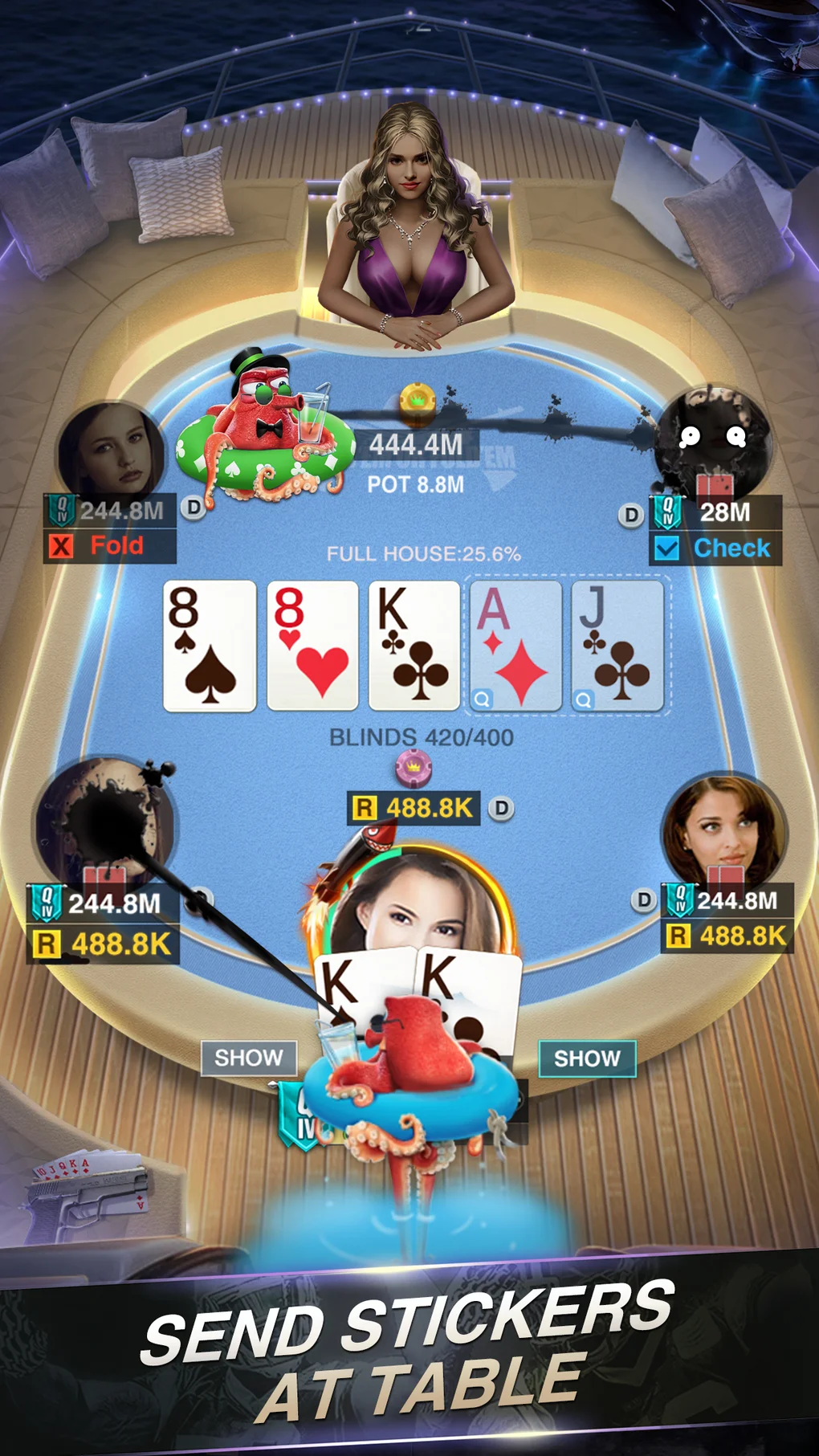
Implied odds
Here is the context for this part of the site. Implied odds consider additional chips you might win on later streets when a draw completes. Those extra chips are uncertain because an opponent may fold or stop betting. Large remaining stacks create possibilities, but they do not guarantee a payoff sufficient to justify the current call. Revisit the relevant section if a detail is unclear.
Reverse implied odds
For this topic, keep the following in mind. A hand can improve and still lose a larger pot to a stronger hand. Low flushes, weak top pairs and some straight draws can face this problem. Considering these unfavorable later costs helps avoid counting only the attractive outcomes in a call calculation. Use this explanation as a reference during your next visit.
Side pots and eligible chips
Consider these points when using this feature. When players are all-in for different amounts, you cannot win every chip shown in the total pot. Your contribution determines which pots you are eligible to contest. Evaluate a decision using the relevant pot and possible additional action, rather than applying the full displayed total without adjustment. Keeping the full context in mind helps avoid misunderstandings.
Use the practice hint carefully — details
The explanation below covers the main points. Practice Mode displays a call-to-pot ratio to make the immediate price visible. It does not inspect hidden opponent cards or provide a guaranteed equity estimate. Compare that ratio with your own assessment of the public board, ranges and future betting before deciding. The same principles apply each time you use this part of the site.